
7 Best Toys for Kids with Disabilities You’ll Love
Finding the perfect toy for a child with a disability can feel like navigating a maze of endless options, safety concerns, and developmental goals. The right plaything does more than entertain—it nurtures motor skills, boosts confidence, and opens doors to social interaction, all while respecting each child’s unique abilities. Parents, caregivers, and educators know that thoughtful selection can transform frustration into joy and foster inclusive learning experiences. In this guide we’ve sifted through countless products to spotlight the top seven toys that combine accessibility, durability, and educational value. Read on to discover which options can spark imagination and empower every child to play without limits.
7 Must-Have Toys for Kids with Disabilities – Top Picks
Discover how each of these thoughtfully designed toys can empower play, foster development, and bring joy to children of all abilities.
7. Melissa & Doug Stretchy Fidget Toy

Sensory Autism Toys for Kids combine bright, stretchy noodles with tactile variety to create a versatile fidget pack that meets the needs of toddlers, autistic children, and anyone looking for calming sensory input. Each set contains eight 10.2‑inch strings in vibrant colors that can stretch up to 7.5 feet, glow in the dark, and shimmer under light. The different textures and tensions give a richer sensory experience than standard fidget tools, making them ideal for classroom breaks, road‑trip relief, or quiet moments at home. They’re ASTM F963 certified, safe for little hands, and come in a convenient size that fits easily into backpacks, Easter baskets, or gift bags.
The noodles are designed for pulling, stretching, and twisting, helping to reduce stress, panic attacks, and ADD‑related restlessness while encouraging focus and fine‑motor development. They’re also a fun, low‑cost “treasure prize” for teachers and therapists to reward positive behavior. Just remember to keep them away from faces and eyes.
Pros
- Multi‑sensory stimulation – glow‑in‑the‑dark, shimmer, and varied textures keep kids engaged.
- Stretchability – each noodle reaches up to 7.5 ft, providing endless pulling and tension exercises.
- Versatile use – perfect for home, school, therapy, travel, and as holiday or Easter gifts.
Cons
- Small pieces could be a choking hazard if broken; supervise younger children.
- Not suitable for use as a chewable toy; intended for visual and tactile play only.
6. Creative Minds Marvel Education Diverse Abilities Toy Figure Set

The Creative Minds Marvel Education Diverse Abilities Toy Figure Set brings inclusive storytelling to life. This collection of six vibrant vinyl figurines showcases children with a range of physical differences—wheelchairs, canes, eyepatches, and more—encouraging imaginative play while teaching respect for diversity. Each figure stands up to 5 inches tall, a perfect size for little hands, and the solid vinyl construction can survive the inevitable drops, steps, and even occasional chewing. Whether on a classroom shelf, a daycare play area, or at home, these toys spark conversations about empathy and self‑acceptance, giving every child a chance to see themselves reflected in the characters they love.
Pros
- Promotes inclusive attitudes – fun play becomes a subtle lesson in respect for people with physical challenges.
- Boosts confidence – kids can identify with a figure that mirrors their own abilities, fostering a sense of belonging.
- Durable, child‑friendly material – sturdy vinyl resists rough handling, ideal for ages 3 +.
Cons
- Small accessories (e.g., canes) may be a choking hazard for toddlers under 3; supervision is recommended.
- Limited poseability; figures are static, which may not satisfy children who prefer highly articulated dolls.
5. Aywewii LED Tambourine

The Aywewii LED Tambourine is a multi‑sensory musical toy that brings sound, light, and movement together in one compact instrument. When a child shakes or taps it, a crisp jingle rings while three vibrant LED flashing modes cycle—fast flash, slow flash, and alternating flash—creating a dazzling visual display that responds to motion. Crafted from high‑quality, non‑toxic plastic, the tambourine meets CPSIA safety standards and can survive drops and rough handling, making it perfect for toddlers, kids with autism or sensory‑processing challenges, and even adults who love a party‑ready vibe. Its eye‑catching glow‑in‑the‑dark effect turns any gathering—Easter baskets, birthday parties, concerts, or festivals—into a rhythmic light show, encouraging exploration of colors, rhythm, and motor skills while providing calming sensory input.
Pros
- Multi‑sensory stimulation – combines crisp sound with three LED modes for visual and auditory engagement, ideal for children with autism or sensory needs.
- Easy mode switching – a single button cycles through flash patterns, letting kids customize the experience on the fly.
- Durable, child‑safe construction – non‑toxic plastic and CPSIA certification ensure long‑lasting, worry‑free play.
Cons
- Battery life may be limited during extended party use, so spare batteries are recommended.
- The LED brightness, while striking, could be overwhelming for very light‑sensitive children; a brief “off” period may be needed.
4. Demilong Sensory Toys Fidget Marble Maze

The Demilong Sensory Toys Fidget Marble Maze is a compact, gel‑filled maze that turns a simple marble‑push into a soothing sensory experience. Each rubber bead glides smoothly through the bright, soft‑touch maze, while the internal gel adds a gentle, quiet resistance that keeps little hands engaged for hours. Designed especially for children with autism, ADHD, OCD, or anyone who needs a calming outlet, the maze can be placed in a classroom “calm‑down corner” or taken on the go. Its silent, patented design means play won’t disrupt peers, and the portable 7″ × 4.7″ size fits easily in a backpack, car seat, or airplane tray. Whether used as a classroom tool, a travel companion, or a fun prize, this fidget maze delivers tactile fun without the noise.
Pros
- Gentle, gel‑filled motion provides a smooth, comforting tactile experience.
- Quiet, non‑disruptive design is perfect for classrooms, therapy rooms, and travel.
- Versatile gift works as a birthday, party favor, or classroom reward for kids of all ages.
Cons
- The soft rubber beads may wear down over very long, heavy use.
- Small size means it’s best suited for individual play rather than group activities.
3. Get Ready Kids Friends with Disabilities Play Figures Set
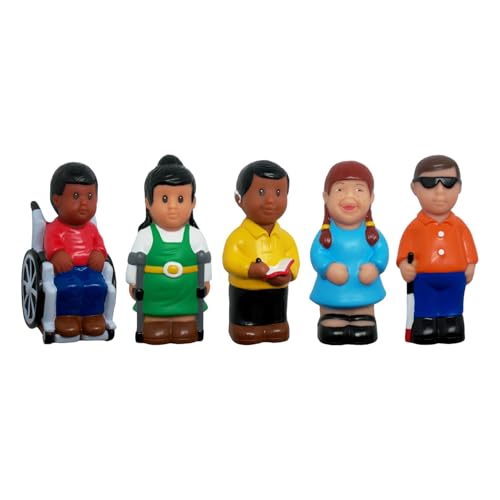
The Get Ready Kids Friends with Disabilities Play Figures Set brings inclusive storytelling to the palm of a child’s hand. This thoughtfully designed set includes five 5‑inch multicultural figures—each representing a child with a different ability, such as a wheelchair, crutches, a hearing aid, a cane, and more. Made from non‑toxic, child‑safe material with smooth edges, the toys are built to survive the energetic play of toddlers and preschoolers, whether they’re on a classroom carpet or a home floor.
Because the figures model real‑world diversity, they become a natural conversation starter for lessons on accessibility, empathy, and community. Teachers, therapists, and parents can weave them into lessons on social‑emotional development, special‑needs awareness, or simple pretend‑play scenarios. Their compact 5‑inch height is perfect for little hands, encouraging fine‑motor skills while fitting easily into blocks, dollhouses, or story‑time circles.
Pros
- Promotes empathy & inclusion – diverse abilities are represented in a playful, age‑appropriate way.
- Durable & safe – non‑toxic plastic and rounded edges stand up to rough handling.
- Versatile teaching tool – ideal for classrooms, therapy sessions, and at‑home learning.
Cons
- Limited to five figures, so additional accessories may be needed for more complex scenarios.
- Small accessories (e.g., hearing aid) could be misplaced if not stored carefully.
2. Hand2mind Colors and Shapes Sensory Pad
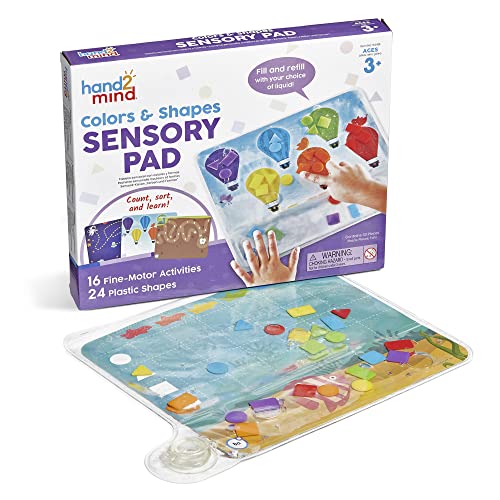
The hand2mind Colors and Shapes Sensory Pad turns quiet playtime into a hands‑on learning adventure for 3‑ to 5‑year‑olds. The refillable mat holds any safe liquid you prefer—soap, hair gel, shaving cream, or glycerin—so kids can splash, squeeze, and smooth the surface while they count, sort, and match. A simple valve on the back makes filling and draining a breeze, and the durable storage pocket keeps the eight double‑sided activity cards handy wherever you go.
Inside the pad, 24 smooth plastic pieces come in four basic shapes (circle, square, rectangle, triangle) and six bright colors. Children guide the pieces along the illustrated paths on the cards, strengthening fine‑motor control, hand‑eye coordination, and early math concepts. The set also doubles as a calming corner tool: the soothing tactile feedback helps regulate emotions and focus attention during busy days or therapy sessions.
Everything arrives ready to play: 1 refillable sensory pad, 24 shapes, 8 activity cards, and a clear activity guide that walks you through 16 engaging challenges.
Pros
- Versatile sensory medium – works with any kid‑safe liquid, allowing endless texture variations.
- Built‑in learning structure – activity cards introduce counting, sorting, and shape recognition while boosting fine‑motor skills.
- Portable & tidy – storage pocket and easy‑fill valve keep play areas neat and make the kit travel‑ready.
Cons
- Requires adult supervision to ensure the chosen liquid is appropriate and to prevent spills.
- Small plastic pieces may be a choking hazard for children under three; keep out of reach of younger siblings.
1. ArtCreativity Spinning Light Up Toy Wand

The ArtCreativity Spinning Light‑Up Toy Wand is a 7.5‑inch magic ball that turns any space into a kaleidoscope of color. With built‑in LEDs that spin and flash in a rainbow of hues, it captures kids’ attention for hours of sensory‑rich play. The wand arrives ready to go—three AA batteries are pre‑installed, so a simple press of the button launches the light show instantly. Beyond the visual spectacle, it doubles as a prop for imaginative adventures, letting little wizards conjure spells or add sparkle to a stage performance. Perfect for birthday parties, classroom rewards, or as a calming autism‑friendly gift, this wand is suitable for children age 3 and up and even delights teens and adults who love a bit of glowing fun.
Pros
- Instant play: Batteries are pre‑installed; just press a button and the LEDs start spinning.
- Sensory engagement: Continuous, multi‑color light patterns support visual stimulation and can be soothing for kids with autism.
- Versatile use: Works as a party favor, classroom prize, or imaginative play prop for ages 3+.
Cons
- Battery life: Continuous use will eventually require battery replacement (AA cells are not included after the initial set).
- Size limit: At 7.5 inches, it may be a bit large for very small hands to grip comfortably.
Buying Guide
When choosing toys for children with disabilities, the priority is to find options that promote accessibility, safety, and engagement while matching each child’s unique abilities.
- Accessibility and adaptive design: Look for toys that feature easy‑grip handles, large buttons, or interchangeable parts so children with limited motor skills can manipulate them independently.
- Sensory‑friendly features: Choose items that offer adjustable volume, texture variety, or visual contrast to accommodate sensory sensitivities and encourage exploration.
- Durability and safety standards: Toys should be made from robust, non‑toxic materials, meet ASTM or EN71 safety certifications, and withstand frequent handling.
- Developmental value: Prioritize toys that support cognitive, language, or social growth, such as cause‑and‑effect devices, story‑telling kits, or cooperative games.
- Customer feedback and value: Read reviews from families with similar needs and compare price‑to‑quality ratios to ensure you’re investing in a product that delivers lasting benefit.
By focusing on these criteria, you can select toys that not only entertain but also empower children with disabilities to learn and play confidently.
Frequently Asked Questions
What types of toys are most beneficial for children with physical disabilities?
- Adaptive playsets – toys with large, easy‑grip handles, detachable parts, or switch‑activated functions (e.g., LEGO® DUPLO with larger bricks, adaptive musical instruments).
- Sensory‑rich toys – textured balls, squishy foam blocks, or light‑and‑sound panels that encourage tactile exploration without requiring fine motor precision.
- Voice‑controlled or electronic toys – devices that respond to sound or simple button presses (e.g., talking storybooks, programmable robots) let kids interact without needing extensive hand movement.
How can I choose toys that support cognitive development for kids with developmental disabilities?
- Cause‑and‑effect toys – simple gadgets that light up or make noise when a button is pressed help build logical thinking.
- Puzzle and matching games – start with large‑piece puzzles or shape‑sorters and gradually increase complexity as skills improve.
- Open‑ended play kits – building blocks, magnetic tiles, or art supplies encourage creativity and problem‑solving while allowing the child to set their own pace.
- Look for clear instructions, visual cues, and minimal small parts to keep frustration low and engagement high.
Are there affordable inclusive toy options and where can I find them?
- Big retailers (Target, Walmart, Amazon) now have “inclusive” sections featuring adaptive versions of popular toys at regular price points.
- Specialty brands such – as Learning Resources, Melissa & Doug, and Playability – often offer sales or bundle deals on sensory and adaptive toys.
- Non‑profit organizations (e.g., The Toy Bank, AbilityFirst) sometimes distribute gently‑used inclusive toys for free or at a low cost.
- Check online forums and parent support groups for second‑hand recommendations and discount codes.
Conclusion
Choosing toys that are thoughtfully designed for accessibility can transform play into a powerful avenue for growth, confidence, and joy for children with disabilities. The most impactful options prioritize adaptability, sensory engagement, and inclusive interaction, allowing each child to explore at their own pace and on their own terms. By focusing on durability, ease of use, and the ability to customize experiences, caregivers can foster independence while nurturing social connections and cognitive development. Ultimately, selecting toys that respect individual needs and celebrate diverse abilities not only enriches a child’s playtime but also supports their broader journey toward empowerment and self‑expression.

