
7 Best Toys for Kids with Autism
Finding the perfect toy for a child on the autism spectrum can feel like searching for a hidden key that unlocks joy, learning, and calm. The right playthings not only spark imagination but also support sensory needs, encourage social interaction, and help build essential life skills. Parents, educators, and therapists know that a thoughtful choice can turn frustration into confidence and make every play session a stepping stone toward growth. In this guide we’ve sifted through countless options to bring you the top seven toys that combine therapeutic benefits with pure fun. Read on to discover which products could become your child’s new favorite companions.
7 Must-Have Toys for Kids with Autism – Expert Picks
We’ve carefully evaluated each option to ensure they foster sensory engagement, communication skills, and joyful play for children on the spectrum.
7. Goliath Jelly Blox Blocks
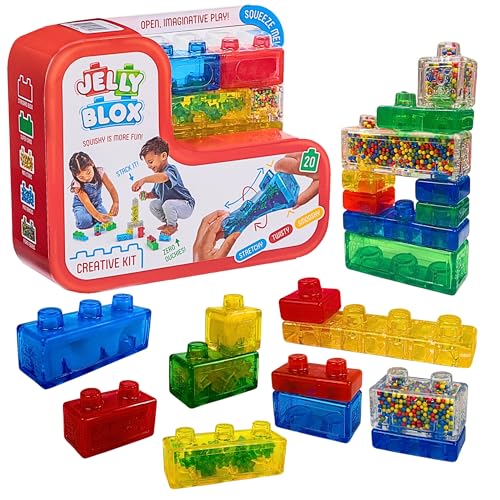
Jelly Blox are a soft‑touch building system that lets little hands squeeze, stretch, and squish while they create. The Goliath Creative Kit ships with 20 vibrant blocks that snap together effortlessly, encouraging toddlers and preschoolers to explore shape‑matching, balance, and cause‑and‑effect. Special inserts—super sand, foam beads, mini stars and mini bricks—add texture and weight, turning every structure into a multisensory adventure. Because the blocks are made from a flexible, non‑porous material, they’re ouch‑free; stepping on them won’t hurt, and a quick wash with gentle soap keeps them fresh. Each piece has passed rigorous drop, twist, and pull tests and carries the MESH accreditation, confirming it supports problem‑solving, perseverance, self‑regulation and other critical early‑learning skills. The kit is also fully compatible with all other Jelly Blox sets, so the play possibilities grow as your child’s collection expands.
Pros
- Sensory‑rich play: varied fillings provide tactile feedback that promotes fine‑motor development.
- Safety‑first design: ouch‑free, washable, and globally safety‑tested for worry‑free use.
- Scalable creativity: works with any Jelly Blox set, allowing endless expansion.
Cons
- The soft material may feel too “squishy” for children who prefer rigid bricks.
- Small internal beads could become dislodged if a block is severely damaged; keep an eye on wear over time.
6. JOYIN 4-Pack Fidget Tubes

Joyin’s 4‑Pack Fidget Tubes are bright, tactile wonders that turn quiet moments into opportunities for growth. Each tube bursts with vivid colors and smooth, rolling beads that invite children to spin, roll, and watch the motion while they practice recognizing feelings and building social‑emotional skills. The lightweight design makes them perfect for a calm corner at home, a classroom “quiet zone,” or a therapy session, giving kids a safe outlet for anxiety, anger, or sensory overload. Made from high‑quality, non‑toxic silicone and ABS plastic, the tubes meet strict safety standards and can endure the everyday handling of toddlers and preschoolers. Whether used during speech‑therapy drills, as a calming Easter school gift, or simply for a peaceful break, these sensory tubes provide both visual stimulation and fine‑motor feedback, helping children focus, self‑regulate, and develop confidence in managing emotions.
Pros
- Social‑emotional learning boost – vibrant visuals and tactile play support emotion recognition and interaction skills.
- Stress‑relief and anger management – soothing motion and colors help children calm down and redirect frustration.
- Durable & safe – high‑quality, age‑appropriate materials pass safety tests and resist daily wear.
Cons
- Limited variety – only four color‑coded tubes per pack; families needing more options may need additional sets.
- Noise level – rolling beads can create a soft rattling sound that might be distracting in very quiet environments.
5. ArtCreativity Spinning Light Up Toy Wand

The ArtCreativity Spinning Light‑Up Toy Wand is a 7.5‑inch magic ball that turns any space into a kaleidoscope of color. With a simple press of a button, the built‑in LEDs spin and flash, bathing the room in vibrant hues that keep little eyes glued to the action. Batteries are already installed (3 × AA), so there’s no hunting for power sources—just turn it on and watch the light show begin.
Beyond the visual spectacle, the wand doubles as an imaginative prop: kids can become wizards, stage‑crafting their own magical performances or adding sparkle to classroom presentations. Its compact size and easy‑press button make it perfect for ages 3 + and especially soothing for children on the autism spectrum who enjoy predictable, sensory‑rich toys.
Ideal for birthday parties, school events, or as carnival prizes, these wands are a crowd‑pleasing favor that delights boys, girls, and even adults. Whether you’re rewarding a good effort or looking for a holiday surprise, the Light‑Up Wand is a memorable, low‑maintenance gift that promises hours of glowing fun.
Pros
- Instant play: Batteries pre‑installed; just press a button.
- Sensory‑friendly: Soft, steady LED patterns calm and engage autistic children.
- Versatile use: Great for pretend play, party favors, classroom rewards, and gifts.
Cons
- Battery life is limited to standard AA cells; extra batteries may be needed for extended sessions.
- The plastic wand, while durable, may feel lightweight for older kids who prefer a more substantial feel.
4. Ocean Light Projector By Calming Sensory Lights

Experience the gentle embrace of ocean waves right in your home with the Calming Sensory Lights projector. Designed specifically for children and adults on the autism spectrum, this USB‑powered device casts realistic water‑ripple effects onto walls and ceilings, turning any room into a tranquil seascape. The soothing visual patterns help regulate emotions, improve focus during reading or homework, and create a calming bedtime routine that encourages better sleep. With a handy remote, you can choose from 15 vibrant color patterns to match any mood or therapeutic need. Its compact size makes it perfect for bedrooms, living rooms, therapy studios, or sensory rooms, providing a versatile tool for relaxation and stress reduction.
Pros
- Targeted sensory support: Ocean‑wave projection offers a natural, calming stimulus ideal for autistic children and adults.
- Customizable ambiance: 15 color patterns selectable via remote let you tailor the environment instantly.
- Improves sleep hygiene: Soft, rhythmic light cues the body to unwind, supporting a consistent bedtime routine.
Cons
- Requires a USB power source; may need an adapter if a nearby outlet isn’t available.
- Remote control range is limited to line‑of‑sight, which can be restrictive in larger spaces.
3. Pushpeel Sensory Activity Board

The Pushpeel Sensory Activity Board is a silent, mess‑free fidget toy that turns idle moments into calming, therapeutic play. Made from CPC‑certified, non‑toxic silicone, the board features 11 vibrant, stretchable strings and a series of push, peel, loop, and bridge actions that invite endless tactile exploration. Its compact travel bag makes it perfect for planes, cars, waiting rooms, or any on‑the‑go setting—no screens, no clutter, just quiet focus. Patented (US 12,478,892) and inspired by Montessori‑style STEM learning, the board encourages problem‑solving, fine‑motor development, and sensory regulation for kids 3+ as well as adults, including those with autism, ADHD, ADD, OCD, or anxiety. Occupational therapists recommend it for building dexterity and hand‑eye coordination, while its soothing ASMR‑like textures provide a reliable outlet for nervous energy.
Pros
- Screen‑free, silent play – ideal for public spaces and travel.
- Therapeutic design – patented, silicone‑safe, supports cognitive and sensory development across ages.
- Portable & gift‑ready – includes a travel bag; perfect for registries, Easter baskets, or therapist toolkits.
Cons
- The silicone strings may lose elasticity with very aggressive pulling over time.
- Small parts could pose a choking hazard for children under 3, so supervision is recommended.
2. Pterying 21 Spinning Chair

The Pterying 21″ × 19″ Large Spinning Chair is a thoughtfully engineered sensory tool for autistic and ADHD children. Designed by pediatric occupational therapists, the chair targets vestibular development, helping to ease motion‑related discomfort, improve motor coordination, and sharpen spatial awareness. Its versatile design lets kids sit, kneel, or lie down while the chair rotates smoothly, turning ordinary playtime into a therapeutic experience. The thickened, rounded edges keep little hands safe, and the sturdy metal base with solid solder joints supports up to 150 lb, making it durable enough for both indoor and outdoor use. Assembly is a breeze—most users have it set up in under five minutes, and its lightweight, compact form means it can be moved wherever the fun (or therapy) is needed. As a family‑friendly gift, it invites parents to join in the spin, fostering bonding moments that turn sensory work into joyful, shared play.
Pros
- Vestibular & motor benefits – therapist‑designed to reduce motion sickness and boost coordination.
- Multi‑position flexibility – can be used while sitting, kneeling, or lying down, expanding play possibilities.
- Robust construction – premium PP, heat‑ and corrosion‑resistant, with a metal base that holds up to 150 lb.
Cons
- The chair’s size may be too large for very small spaces or younger toddlers.
- Requires occasional tightening of the swivel mechanism to maintain smooth rotation over long‑term use.
1. Scientoy Fidget Toy Set
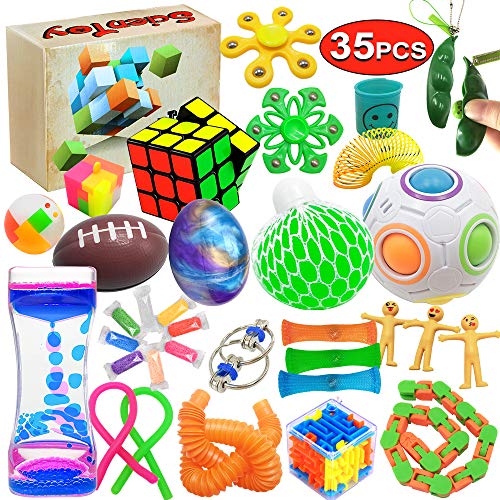
Scientoy’s 35‑piece Fidget Toy Set is a compact, classroom‑ready kit designed to soothe anxiety, boost focus, and provide endless sensory fun for children and adults alike. Housed in a cute, sturdy gift box, the collection includes a rainbow magic ball, liquid motion timer, squeeze grape ball, maze puzzle, mesh‑and‑marble gadgets, foam putties, a pop tube, a foam football, and an egg‑slime putty—each crafted from high‑quality, non‑toxic ABS plastic or soft rubber that meets ASTM, CPC, and EN71 safety standards. The variety of textures and motions encourages squeezing, stretching, flipping, and twisting, making it an ideal tool for kids with autism, ADHD, or OCD, as well as anyone looking for a discreet stress‑relief companion at school, work, or on the go.
The set’s lightweight design and attractive packaging also make it perfect for birthday favors, classroom rewards, Easter basket fillers, or Halloween prizes. Plus, Scientoy backs the kit with a three‑year warranty and responsive customer service, ensuring peace of mind for parents and educators.
Pros
- All‑in‑One Value Pack: 35 diverse sensory toys in one box eliminates the need to buy multiple items.
- Safe & Certified: Made from non‑toxic ABS, complying with U.S. and European toy safety standards.
- Versatile Use: Ideal for home, school, therapy sessions, or as portable stress‑relief tools.
Cons
- Small Parts: Some items (e.g., marble fidgets) may pose a choking hazard for children under 3 years old.
- Limited Durability: Foam putties can dry out over extended use if not stored properly.
Buying Guide
Choosing toys for children with autism requires attention to sensory needs, developmental goals, and safety. Focus on features that encourage engagement, calmness, and skill‑building while ensuring the product is reliable and age‑appropriate.
- Sensory compatibility: Look for toys that offer adjustable textures, lights, or sounds, allowing the child to customize stimulation to avoid overload.
- Developmental relevance: Choose toys that target specific skills such as fine motor control, communication, or problem‑solving, aligning with the child’s therapeutic goals.
- Safety & material quality: Verify that all components are non‑toxic, BPA‑free, and free of small parts that could pose choking hazards.
- Durability & maintenance: Opt for robust construction and easy‑to‑clean surfaces, so the toy can withstand frequent use and occasional rough handling.
- Value & reviews: Compare price points against features and read parent feedback to ensure the toy delivers real benefits without hidden costs.
By weighing these factors, you can select toys that both delight and support a child’s growth, making playtime a positive learning experience. A thoughtful choice turns everyday fun into a meaningful step toward independence and confidence.
Frequently Asked Questions
What types of toys are most beneficial for children with autism?
Sensory‑rich, open‑ended, and low‑pressure toys work best. Look for:
- Sensory toys: weighted blankets, fidget spinners, chewable jewelry, textured balls.
- Building & manipulation sets: LEGO® bricks, magnetic tiles, wooden blocks.
- Cause‑and‑effect toys: light‑up panels, musical instruments, pop‑up toys that respond to a press or tilt.
These toys encourage exploration, fine‑motor skills, and calm regulation without overwhelming the child.
How can sensory toys support a child’s development?
- Regulation of sensory input: Weighted or tactile items provide proprioceptive feedback that can reduce anxiety and improve focus.
- Language & social skills: Interactive toys that light or make sounds when activated give clear, predictable feedback, prompting verbal labeling and turn‑taking.
- Fine‑motor coordination: Manipulating beads, puzzles, or small parts strengthens hand‑eye coordination and prepares for writing tasks.
Choosing toys that match the child’s sensory profile (visual, auditory, tactile) maximizes these benefits.
What should parents consider when choosing toys for an autistic child?
- Sensory preferences: Does the child seek or avoid certain textures, sounds, or lights?
- Safety & durability: Opt for non‑toxic, chew‑proof materials and sturdy construction.
- Skill level: Select toys that are challenging enough to promote growth but not so difficult that they cause frustration.
- Flexibility: Toys that can be used in multiple ways (e.g., building blocks) grow with the child’s abilities.
- Interest alignment: Incorporate the child’s favorite themes—animals, vehicles, space—to boost engagement and motivation.
Conclusion
Choosing the right toys for children on the autism spectrum is less about flashy features and more about fostering engagement, sensory regulation, and skill development. Prioritizing items that encourage open‑ended play, provide predictable feedback, and can be tailored to individual preferences helps nurture confidence and social interaction. By focusing on sensory-friendly materials, clear cause‑and‑effect relationships, and opportunities for gradual skill building, parents and educators can create enriching play experiences that support growth while respecting each child’s unique needs. Ultimately, thoughtful selection empowers kids to explore, learn, and connect in ways that feel both safe and rewarding.

