
How Building Blocks Help Toddler Brain Development
Parents are always looking for toys that are both fun and educational. Among the many options available today, building blocks remain one of the best tools for toddler brain development. These simple toys have been used for generations, yet modern research continues to confirm their powerful impact on early childhood learning.
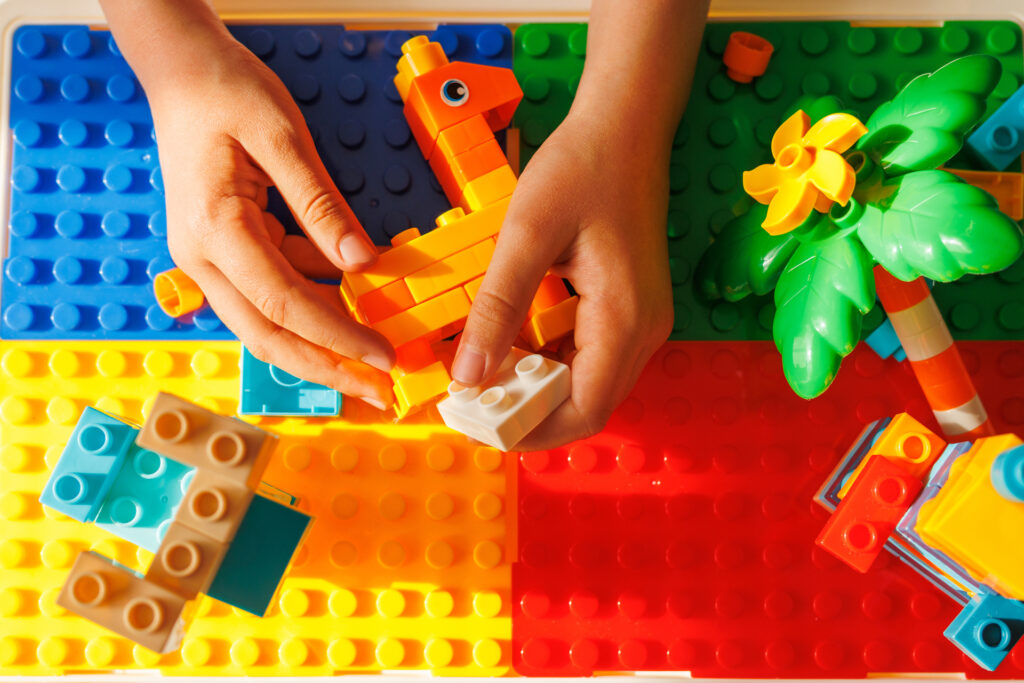
From improving motor skills to boosting creativity and problem-solving, building blocks provide a wide range of developmental benefits. If you are raising a toddler in the United States and wondering how to support your child’s early learning, building blocks are one of the smartest investments you can make.
In this guide, we will explore how building blocks support brain development, the skills toddlers gain from them, and how parents can maximize the learning benefits of block play.
Why Building Blocks Are Important for Early Childhood Development
During the first few years of life, a child’s brain develops rapidly. According to the American Academy of Pediatrics, early play experiences help shape neural connections that affect learning, behavior, and emotional health.
Building blocks provide hands-on learning, which is essential for toddlers. Instead of passive entertainment like watching screens, block play encourages children to explore, experiment, and interact with their environment.
When toddlers stack, sort, or knock down blocks, they are actively building important cognitive and physical skills.
1. Improves Fine Motor Skills
One of the first benefits toddlers gain from building blocks is improved fine motor development.
When children pick up blocks, stack them carefully, or place them in specific positions, they strengthen the small muscles in their hands and fingers.
These skills are important for many future activities, including:
- Writing
- Drawing
- Using utensils
- Buttoning clothes
The more toddlers practice handling blocks, the more control they develop over their hand movements.
2. Encourages Problem-Solving Skills
Building blocks naturally encourage toddlers to think and solve problems.
For example, a child might try to:
- Stack blocks higher without them falling
- Balance different shapes
- Build a tower or simple structure
When a tower falls, toddlers learn to analyze what went wrong and try again.
This trial-and-error process builds early critical thinking skills, which are essential for future learning in math, science, and engineering.
3. Supports Spatial Awareness
Spatial awareness refers to understanding how objects fit together and how they move in space.
Block play helps toddlers understand concepts such as:
- Above and below
- Inside and outside
- Balance and structure
- Size and shape relationships
These early spatial skills are strongly linked to success in STEM fields (Science, Technology, Engineering, and Math) later in life.
Research from National Association for the Education of Young Children highlights that construction play helps children develop foundational skills for engineering and design thinking.
4. Boosts Creativity and Imagination
Unlike many modern toys that have a single function, building blocks offer unlimited creative possibilities.
A toddler might use blocks to create:
- A house
- A bridge
- A castle
- A pretend city
This type of open-ended play encourages imagination and storytelling.
Creative play helps toddlers develop:
- Independent thinking
- Innovation
- Emotional expression
- Confidence in their ideas
There is no “wrong way” to build with blocks, which makes children feel safe experimenting and exploring new ideas.
5. Improves Language and Communication Skills
Block play also creates opportunities for language development.
When parents play with their toddlers using blocks, they can introduce new words and concepts such as:
- Tall
- Short
- Big
- Small
- Square
- Rectangle
- Build
- Balance
Talking about what the child is building helps expand vocabulary and improves communication skills.
For example, parents can ask questions like:
- “What are you building?”
- “Can we make the tower taller?”
- “What happens if we add another block?”
These conversations stimulate brain activity and support early language development.
6. Teaches Patience and Persistence
Toddlers often experience frustration when their block towers fall down.
However, this frustration actually helps children develop persistence and patience.
Instead of giving up, toddlers often try again and adjust their building strategy.
Over time, this teaches important life skills such as:
- Emotional regulation
- Resilience
- Determination
Learning to keep trying after failure is an essential skill that helps children succeed later in school and life.
7. Encourages Social Skills
When toddlers play with blocks together, they learn valuable social interaction skills.
Block play can encourage:
- Sharing
- Cooperation
- Taking turns
- Working together to build structures
For example, two children might collaborate to build a tower or create a small town using blocks.
This type of cooperative play helps toddlers learn how to interact positively with others.
Types of Building Blocks for Toddlers
Not all building blocks are the same. Different types can support different aspects of development.
Here are some popular options for toddlers in the US:
Wooden Blocks
Classic wooden blocks are durable, safe, and encourage traditional building play.
Foam Blocks
These soft blocks are great for younger toddlers because they are lightweight and safe.
Interlocking Blocks
These blocks snap together and help toddlers build more stable structures.
Magnetic Blocks
Magnetic tiles allow children to build creative 3D shapes and structures.
Each type of block offers unique learning experiences.
Tips for Parents to Maximize Learning with Blocks
Parents can enhance the educational value of block play by following a few simple strategies.
Play Together
Join your toddler during block play. Interactive play strengthens bonding and learning.
Ask Open-Ended Questions
Encourage thinking by asking questions like:
- “What should we build next?”
- “How can we make it stronger?”
Encourage Creativity
Avoid giving strict instructions. Let your child explore their own ideas.
Celebrate Effort
Focus on the effort your child puts into building rather than the final result.
Positive reinforcement builds confidence and motivation.
How Much Block Play Do Toddlers Need?
There is no strict rule, but many child development experts recommend daily hands-on playtime.
Even 20–30 minutes of block play each day can provide meaningful developmental benefits.
What matters most is allowing toddlers to explore and learn through play.
Final Thoughts
Building blocks may look like simple toys, but they are powerful tools for toddler brain development.
Through block play, children develop:
- Fine motor skills
- Problem-solving abilities
- Spatial awareness
- Creativity
- Language skills
- Social interaction
- Persistence
For parents in the United States looking for educational toys that support healthy development, building blocks remain one of the best choices.
Encouraging toddlers to build, explore, and experiment helps lay the foundation for lifelong learning.